


The Veggie Secret Your Muscles Want You to Know
Vegetable Proteins
Most of us grew up thinking protein meant meat. Chicken, beef, and fish were the “serious” proteins on our plates. But there’s a protein source sitting quietly in the produce section that you might be overlooking.
Ask any personal trainer, and they’ll shake their head at how often clients ignore vegetables because they’re “focusing on protein.” The truth? Many vegetables pack enough protein to make a real difference in your daily intake, without the saturated fat and cholesterol that often comes with animal sources.
Why Your Body Craves Protein
Your body uses protein for practically everything. Think of protein as the construction crew for your body. They help build muscle, repair tissue, and support your immune system. Without enough, you’ll feel weakness, muscle loss, and even compromised immunity.
The current recommended daily intake is around 0.8 grams per kilogram of body weight (about 0.36 grams per pound). Still, many nutrition experts suggest that active individuals aim higher, between 1.2 to 2.0 grams per kilogram daily for optimal health and performance.
Veggie Protein vs. Animal Protein: What’s the Difference?
Here’s the key distinction: most animal proteins are “complete,” containing all nine essential amino acids your body can’t produce itself. Most vegetables provide “incomplete” proteins, meaning they might lack one or more essential amino acids.
But don’t let that deter you. By eating a variety of plant foods throughout the day, you’ll quickly get all the amino acids you need. Your body doesn’t require every amino acid in a single meal. It’s smart enough to mix and match.
What Makes a Vegetable “High-Protein”?
Nutritionists typically consider a vegetable high in protein when it contains 3-5 grams or more per serving. While that might seem modest compared to meat, these protein-packed veggies offer additional benefits: they’re loaded with fiber, antioxidants, and nutrients while being lower in calories.
Top 10 Protein-Rich Plant Foods That Actually Taste Good
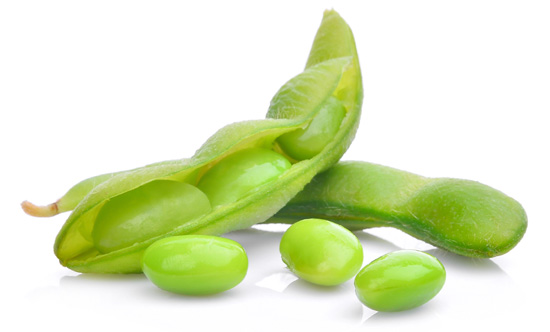
Edamame (18g per cup): These young soybeans are protein powerhouses. Lightly steamed with a sprinkle of sea salt, they make an addictive snack that’s as satisfying as it is nutritious.
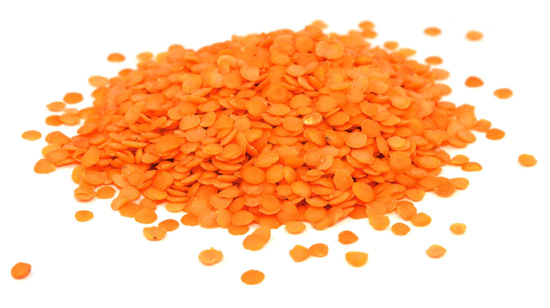
Lentils (18g per cup): Technically a legume, lentils offer a meaty texture that works beautifully in soups and stews. Their nutty flavor adds depth to any dish they grace.
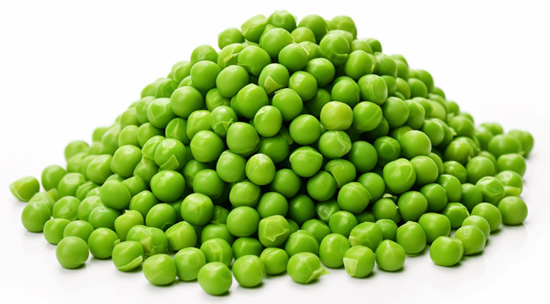
Green Peas (9g per cup): Don’t underestimate these sweet little spheres. They’re versatile enough to brighten pasta dishes or stand alone as a side with just butter and salt.
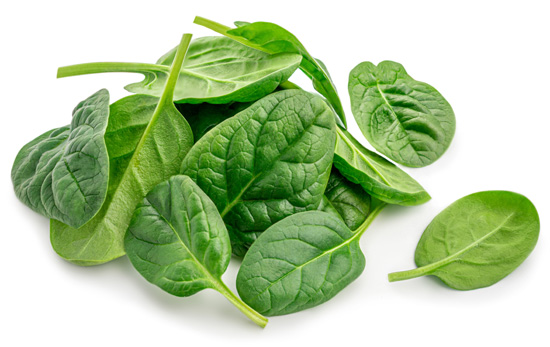
Spinach (5g per cooked cup): Popeye was onto something. Wilted into pasta sauce or blended into smoothies, spinach disappears while boosting nutrition significantly.
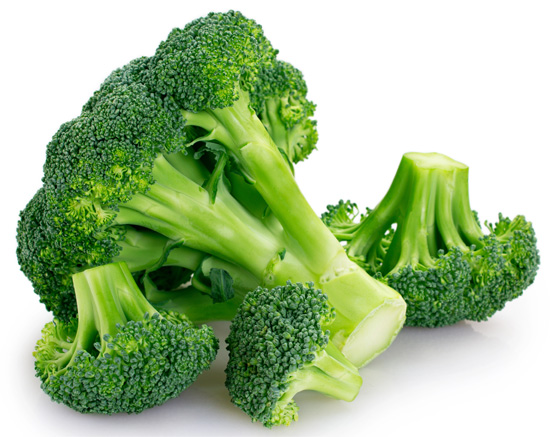
Broccoli (4g per cup): Roasted until the edges caramelize, broccoli transforms from childhood nemesis to crave-worthy side dish with a protein bonus.
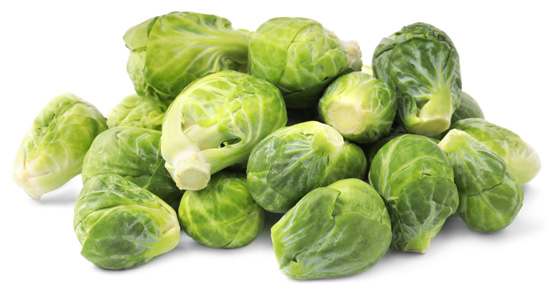
Brussels Sprouts (4g per cup): These mini cabbages develop a sweet nuttiness when roasted or air-fried, with edges crispy enough to convert any skeptic.
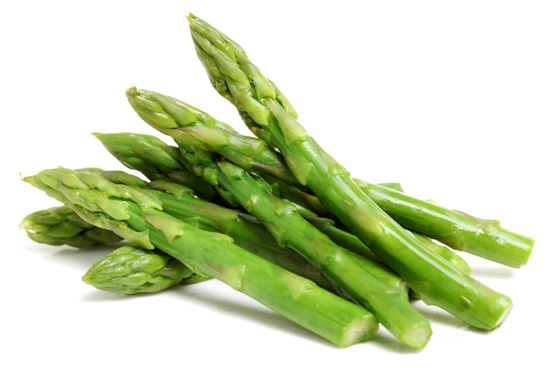
Asparagus (4g per cup): Quick-roasted with olive oil and garlic, asparagus offers a sophisticated flavor profile alongside its protein content.
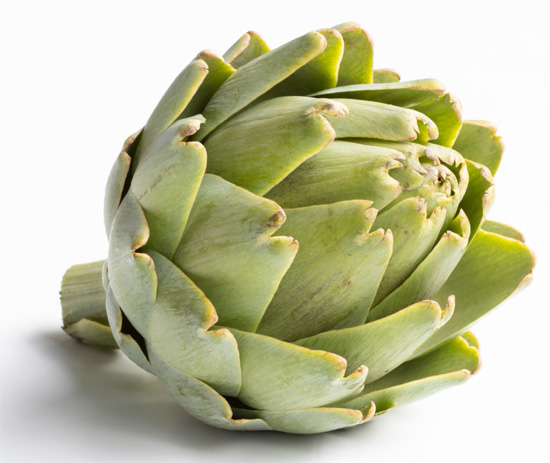
Artichokes (4g per medium artichoke): The ritual of peeling and dipping artichoke leaves makes them an interactive food experience worth the effort.
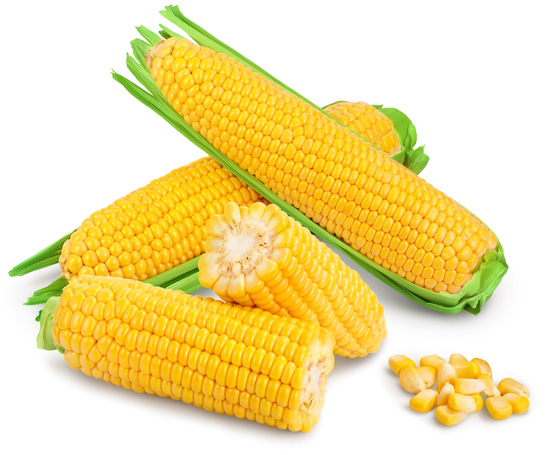
Sweet Corn (5g per cup): Fresh summer corn brings natural sweetness and surprising protein content to salads, salsas, and sides.
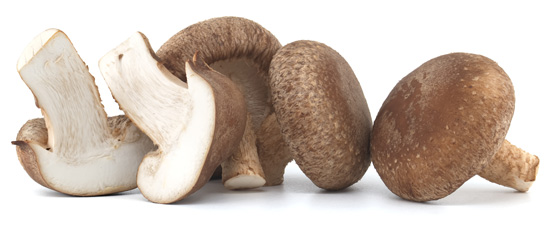
Mushrooms (4g per cup): With their meaty texture and umami flavor, mushrooms are the stealth protein of the produce aisle. Sauté portobello caps as burger alternatives or roast mixed varieties with herbs for a side dish that satisfies like meat.
Making the Most of Vegetable Protein
The way you prepare vegetables affects not just their taste but their protein retention. Gentle cooking methods like steaming, roasting, or sautéing preserve more nutrients than prolonged boiling, which can leach proteins into cooking water.
I discovered this firsthand when I switched from boiling to roasting my Brussels sprouts. They not only tasted infinitely better but retained more of their nutritional punch.
For maximum protein benefit, combine these vegetables with complementary plant proteins. A spinach salad topped with quinoa and pumpkin seeds or lentil soup with a side of whole-grain bread creates complete protein profiles.
The beauty of vegetable protein isn’t just nutritional; it’s economic and environmental, too. Pound for pound, vegetable protein typically costs less than animal protein while requiring fewer resources to produce.
Your body doesn’t care where protein comes from; it just wants enough to keep you strong, energetic, and healthy. These vegetables deliver exactly that, wrapped in packages of fiber, vitamins, and disease-fighting compounds that animal proteins simply can’t match.
Next time you build your plate, give veggies a starring role.
Call for a FREE Consultation (305) 296-3434
CAUTION: Check with your doctor before
beginning any diet or exercise program.
4/8/2025


