


Dehydration Signs and Symptoms
Dehydration is a condition where you lose more fluids than you take in. Doctors divide dehydration into three stages: mild, moderate, and severe. Severe dehydration and shock threaten organ function and life. Seek emergency care for confusion, fainting, minimal urine, or signs of shock.
Now researchers have found there can be significant problems, even if you’re only mildly dehydrated.
The adult human body is approximately 60% water. In 2018, researchers at the Exercise Physiology Laboratory at Georgia Institute of Technology, analyzed 33 studies on dehydration. They found that losing just 2% of your body’s mass can impair “cognitive performance, particularly for tasks involving attention, executive function, and motor coordination...” In other words, tasks that require attention or complex thought may become significantly more difficult with even mild dehydration.
In a 2015 trial involving 11 healthy men, mild hypohydration of approximately 1.1% of body mass led to more driving errors over two hours: 101 incidents compared with 47 in the hydrated state. The sample was small and male only, but the pattern shows up across studies.
For work that demands precision, such as surgeons, pilots, or drivers, even mild dehydration increases the risk of making mistakes.
How Fast Does Dehydration Happen?
Sweat loss during running averages 2 to 8 cups per hour, increasing in hotter temperatures. For a 154-pound runner, losing 3 to 6 cups in an hour equals about 1% to 2% body mass loss. Your rate depends on temperature, humidity, effort, and individual sweat response.
We lose water through breath, saliva, urine, stool, tears, and sweat. About 20% comes back through food. The rest must come from what you drink.
How Much Do You Actually Need?
The National Academies of Sciences says about 15.5 cups daily for men and 11.5 cups for women from all sources. About 20% of the daily intake comes from food, so men need roughly 12.5 cups from beverages, and women need about 9 cups.
However, your needs vary based on your size, level of activity, where you live, and whether you’re pregnant or nursing. Use thirst as your main guide and drink water with meals.
Two Simple Ways to Check for Dehydration
Urine color. In healthy adults, a pale yellow or straw-colored appearance signals good hydration. Darker urine often means you need more fluid. Vitamins, certain foods, and medications change urine color, so do not rely on this alone if you take supplements or have liver or kidney disease.

The pinch test. Pinch the skin on the back of your hand, the sternum, or the forehead, and release. Skin that snaps back quickly suggests normal hydration. Skin that stays tented for a few seconds indicates moderate to severe dehydration. This test performs poorly in older adults because aging and sun damage reduce skin elasticity. Do not use this as your only measure, especially if you are over 65.

Signs of Mild and Moderate Dehydration
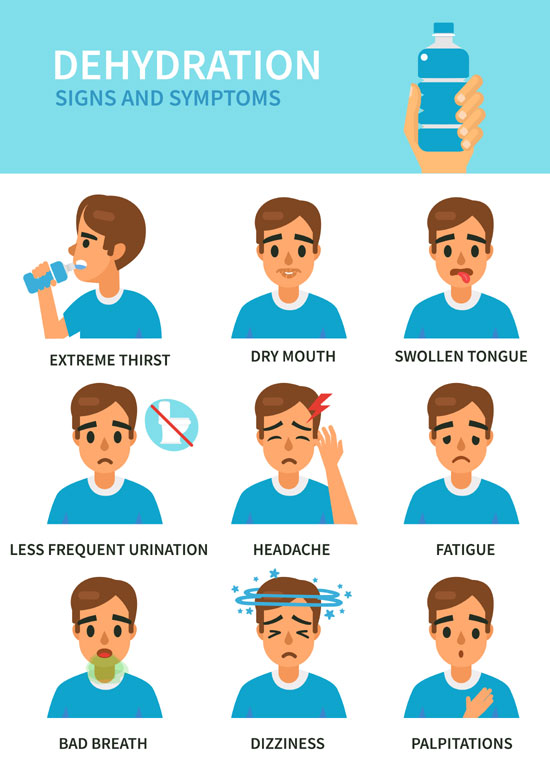
Thirst, dry or sticky mouth, increased tiredness, less urine than usual, darker urine with strong odor, headache, muscle cramps, dry and cool skin, few tears when crying, dizziness, and weakness.
Signs of Severe Dehydration
Very dark urine or almost none, very dry skin, rapid heartbeat, rapid breathing, sunken eyes, extreme sleepiness, confusion, irritability, fainting, nausea, and vomiting. Severe dehydration requires immediate medical attention.
Babies and Young Children
Infants and toddlers often show dehydration differently. Watch for signs including no tears when crying, a dry tongue, mouth, and lips, a high fever, diapers that stay dry for more than three hours or fewer than six wet diapers per day in infants, sunken eyes or cheeks, a sunken soft spot on the head, lack of energy, and unusual sleepiness.
For mild to moderate dehydration from vomiting or diarrhea, use oral rehydration solution with weight-based volumes. Continue breastfeeding. Reserve IV fluids for severe cases or shock.
Elderly Adults
Older adults face a higher risk from diuretics, blood pressure drugs, and antidepressants. Thirst sensation declines with age. Forgetfulness or physical limits reduce access to water. Watch for confusion, dizziness, sudden drops in blood pressure, falls, or any of the signs listed above. Single bedside signs often perform poorly in this group, so consider the whole picture.
The Danger of Drinking Too Much
Yes, you can overdo water. Drinking too much too fast dilutes your blood sodium. This condition, called hyponatremia, happens when you drink well above thirst during long activity. Risk goes up in hot weather, during endurance events, and when you’re drinking more than about 1.5 to 3.5 cups per hour for several hours.
Stop and get medical help if you develop:
- Nausea or vomiting
- Headache that keeps getting worse
- Confusion or feeling disoriented
- Muscle cramps or weakness
- Swelling in your hands, feet, or face
- Sudden weight gain during exercise or an event
For most people, drinking when thirsty and having water with meals keeps them safe.
What to Do
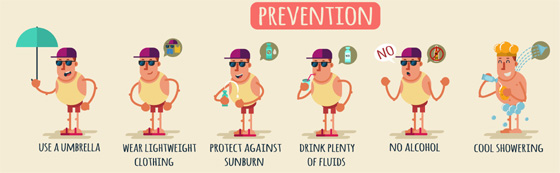
Keep water within reach throughout the day. Set an alarm to remind you to drink, but avoid overdrinking during endurance events. If you take medications that increase fluid loss or affect thirst, check your hydration status more often. For personalized advice on fluid needs, speak with your doctor or a registered dietitian.
Reference Links:
Water intake, hydration, and weight management: the glass is half-full!
Brenda M. Davy, Kevin P. Davy, J. Tina Savla, Benjamin Katz, Kristen Howard, Erica Howes, Elaina Marinik, Eleni Laskaridou, Molly Parker, Aubrey Knight
Physiology & Behavior, Published 1 August 2025
Click Here for the Study: https://doi.org/10.1016/j.physbeh.2025.114953
Water Intake, Water Balance, and the Elusive Daily Water Requirement
Lawrence E Armstrong, Evan C Johnson
Nutrients, Published 5 December 2018
Click Here for the Study: https://doi.org/10.3390/nu10121928
Adult Dehydration
Kory Taylor; Alok K. Tripathi.
StatPearls, Published Last Update: March 5, 2025
Click Here for the Study: https://www.ncbi.nlm.nih.gov/books/NBK555956/
Dehydration Impairs Cognitive Performance: A Meta-analysis
WITTBRODT, MATTHEW T.; MILLARD-STAFFORD, MELINDA
Medicine & Science in Sports & Exercise, Published November 2018
Click Here for the Study: https://doi.org/10.1249/mss.0000000000001682
Mild hypohydration increases the frequency of driver errors during a prolonged, monotonous driving task
Phillip Watson, Andrew Whale, Stephen A Mears, Louise A Reyner, Ronald J Maughan
Physiology & Behavior, Published 2015 Aug 1
Click Here for the Study: https://doi.org/10.1016/j.physbeh.2015.04.028
Physiology, Water Balance
Abraham Tobias; Brian D. Ballard; Shamim S. Mohiuddin.
National Library of Medicine / National Center for Biotechnology Information / StatPearls, Published Last Update: October 3, 2022
Click Here for the Study: https://www.ncbi.nlm.nih.gov/books/NBK541059/
Pediatric Dehydration
Sharon F. Daley; Usha Avva.
National Library of Medicine / National Center for Biotechnology Information / StatPearls, Published Last Update: June 8, 2024
Click Here for the Study: https://www.ncbi.nlm.nih.gov/books/NBK436022/
Dehydration in Children
Michael F. Cellucci, Reviewed By Michael SD Agus
Merck Manual Professional Version, Reviewed/Revised Jan 2025 | Modified Jul 2025
Click Here for the Study: https://www.merckmanuals.com/professional/pediatrics/dehydration-and-fluid-therapy-in-children/dehydration-in-children
Call for a FREE Consultation (305) 296-3434
CAUTION: Check with your doctor before
beginning any diet or exercise program.
9/29/2018
Updated 10/31/2020
Updated 9/29/2025


