


The 6-12-25 Protocol:
Your Secret Weapon for Fast Muscle Gains
Have you ever seen someone at the gym doing three different exercises back-to-back with minimal rest? They might be using the 6-12-25 protocol. This isn't just another fitness trend. It's a powerful muscle-building method created by legendary strength coach Charles Poliquin that delivers impressive results.
The 6-12-25 protocol is a tri-set (or giant set) training technique where you perform three different exercises targeting the same muscle group in sequence with minimal rest. The numbers represent the specific rep scheme:
- 6 reps of a heavy compound exercise (strength focus).
- 12 reps of a moderate-weight exercise (hypertrophy focus).
- 25 reps of a lighter isolation exercise (endurance focus).
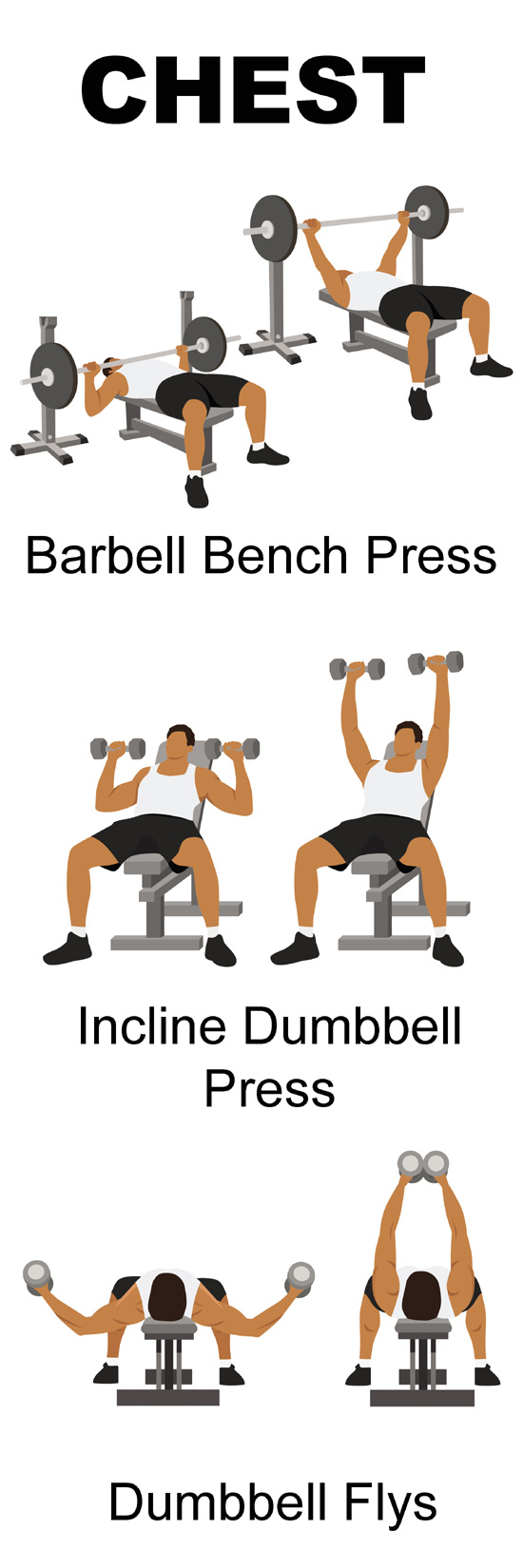
For example, a chest workout might include 6 reps of barbell bench press (heavy), followed immediately by 12 reps of incline dumbbell press (moderate), and finishing with 25 reps of cable or dumbbell flyes (light), all with just 10 seconds rest between exercises.
After completing one full tri-set, you rest for 2-3 minutes, then repeat for a total of 2-3 rounds. This approach trains a muscle group across multiple intensities and angles in a time-efficient format.
Why It Works
The 6-12-25 protocol is built on solid principles of muscle physiology that target all muscle fiber types while creating significant metabolic stress.
Strength (6 reps): This heavy compound exercise targets your fast-twitch muscle fibers, which are responsible for power and strength. Use about 80-85% of your one-rep max. The sixth rep should be a true challenge but achievable with good form.
Hypertrophy (12 reps): This moderate-weight exercise hits the sweet spot for muscle building. This rep range creates optimal mechanical tension and volume, key drivers for muscle growth. When performed immediately after the heavy set has fatigued the strongest ones, it also recruits more muscle fibers.
Endurance (25 reps): The high-rep finisher floods your muscles with blood (creating "the pump"), improves muscular endurance, and generates significant metabolic stress—another critical trigger for growth. This phase completely exhausts any remaining muscle fibers.
Sample Workouts by Muscle Group
Here are examples of 6-12-25 tri-sets for different muscle groups:
Chest:
6 reps: Barbell Bench Press (heavy).
12 reps: Incline Dumbbell Press (moderate).
25 reps: Cable or Dumbbell Flys (light).
Back:
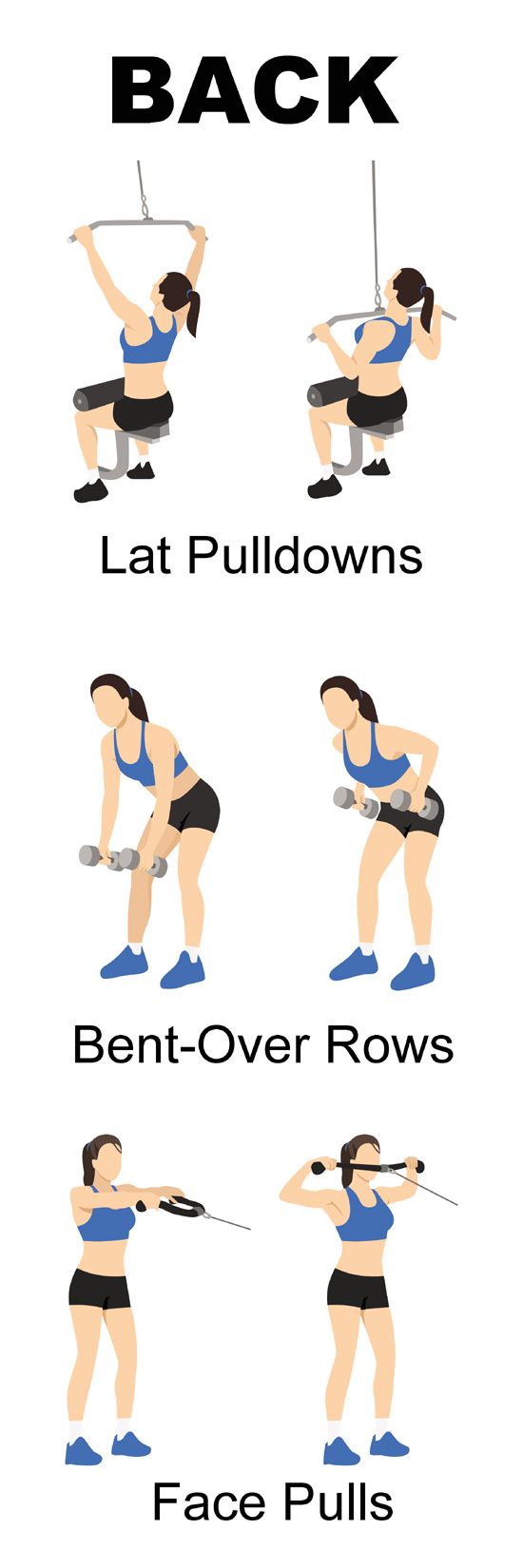
6 reps: Weighted Pull-Ups or Lat Pulldowns (heavy).
12 reps: Bent-Over Rows (moderate).
25 reps: Face Pulls or Straight-Arm Pulldowns (light).
Legs:
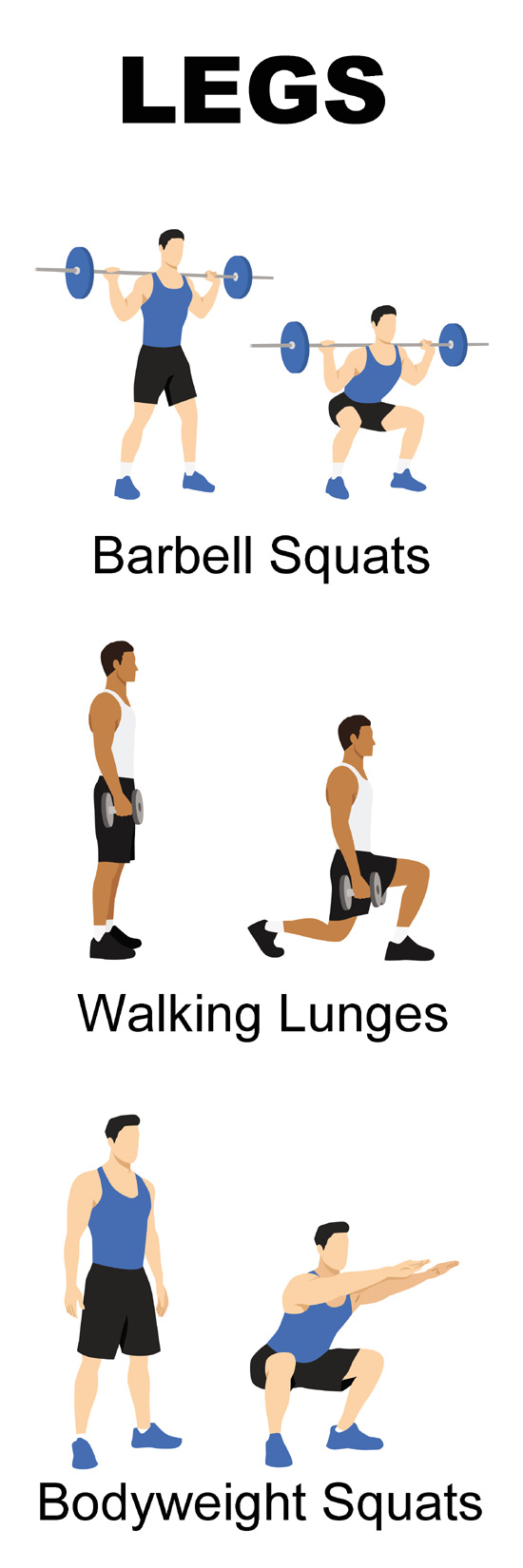
6 reps: Barbell Squats or Deadlifts (heavy).
12 reps: Walking Lunges or Bulgarian Split Squats (moderate).
25 reps: Leg Extensions or Bodyweight Squats (light).
Shoulders:
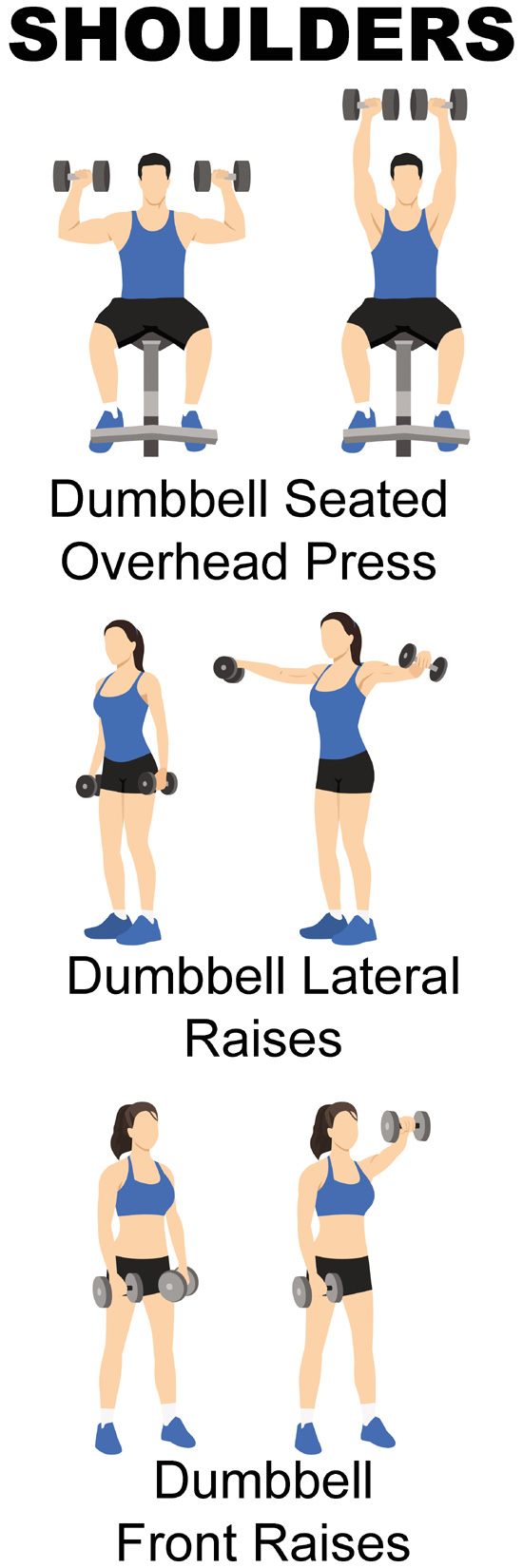
6 reps: Dumbbell Seated Overhead Press (heavy).
12 reps: Dumbbell Lateral Raises (moderate).
25 reps: Front Raises or Rear Delt Flyes (light).
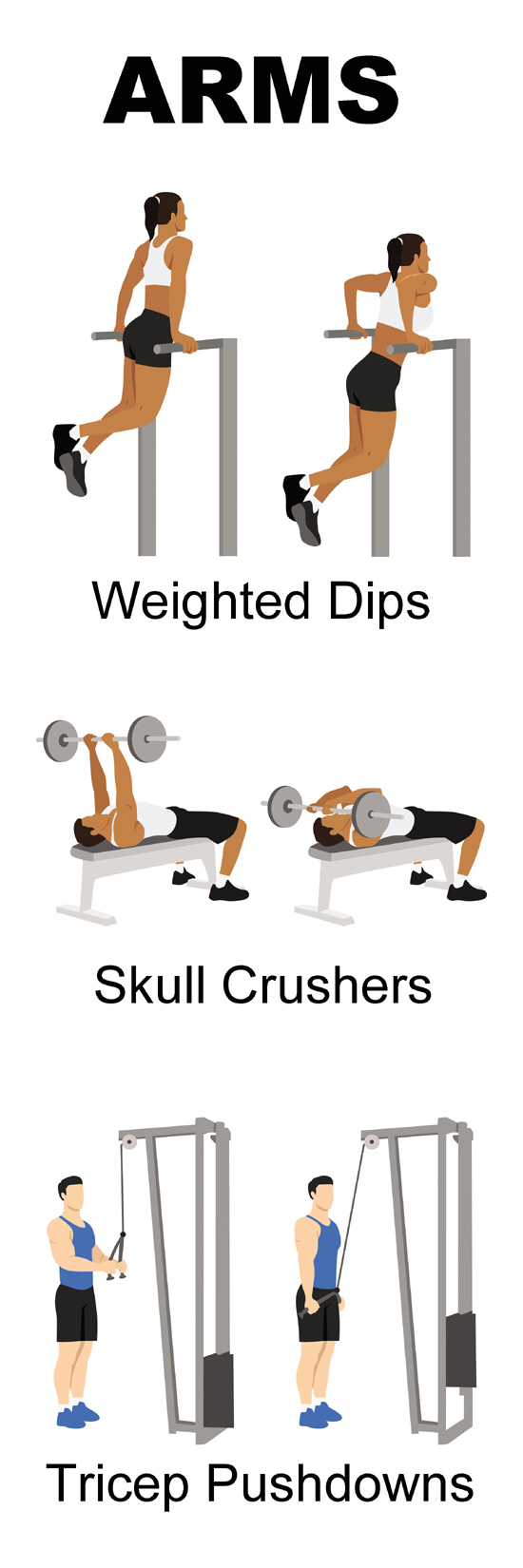
Arms:
6 reps: Close-Grip Bench Press or Weighted Dips (heavy).
12 reps: Skull Crushers or Overhead Tricep Extensions (moderate).
25 reps: Tricep Pushdowns (light).
Picking the Right Weights
Weight selection is crucial for this protocol to work effectively:
For 6 reps: Use a weight that challenges you. You should barely complete the sixth rep with good form. This typically means 80-85% of your one-rep max.
For 12 reps: Select a moderate weight that allows you to complete all 12 reps, but the last 2-3 should be challenging. This is usually about 70-75% of your one-rep max.
For 25 reps: Go light, 50-60% of your one-rep max or even bodyweight for some exercises. The goal is to fully fatigue the muscle without sacrificing form.
Be honest about your limits; ego lifting will only compromise results and increase injury risk.
Tips for Success
Warm up thoroughly: Mobilize your joints, raise your body temperature, and practice movements with light weights before starting.
Choose smart progressions: Start with a compound movement, follow with a moderate-load secondary lift, and end with an isolation finisher, all targeting the same muscle group.
Set up in advance: Have all three exercise stations prepared before starting to minimize transition time and maintain intensity.
Maintain proper form: Despite the intensity, never sacrifice technique, this increases injury risk and reduces effectiveness. If needed, reduce the weight slightly.
Challenge appropriately: Each exercise should feel difficult, around an 8 or 9 out of 10 effort level. The final reps should be challenging but achievable with good form.
Rest properly: Don't skimp on the 2-3 minute rest between complete tri-sets. This recovery is crucial for maintaining intensity across multiple rounds.
Use strategically: Include no more than 2-3 tri-sets per workout to avoid excessive fatigue and overtraining.
Train each muscle group 1-2x weekly: Because of the protocol's intensity, your muscles need adequate recovery time.
Rest-pause when needed: For the 25-rep finisher, it's perfectly acceptable to use the rest-pause technique (brief 10-15 second pauses) to complete all reps with good form.
Who Should Try It?
This protocol works best for:
- Intermediate to advanced lifters with at least 6 months of consistent training experience.
- Anyone looking to break through plateaus in strength or muscle growth.
- Those seeking to improve both muscle size and definition simultaneously.
- People with limited gym time who need efficient, effective workouts.
- Lifters wanting a powerful finisher for stubborn muscle groups.
This protocol is not recommended for:
- Complete beginners still learning proper exercise technique.
- Those with joint issues or injuries (the intensity can exacerbate problems).
- Anyone who struggles with maintaining form under fatigue.
- People with poor recovery capacity.
Optional Use Case: You don't need to structure an entire workout around the 6-12-25 protocol. It also works exceptionally well as a single tri-set finisher for lagging body parts at the end of a conventional workout.
Potential Challenges
While highly effective, be aware of these challenges:
- It's physically and mentally demanding, the intensity can be overwhelming if you're unprepared.
- It requires access to multiple pieces of equipment or weights.
- Joint stress can accumulate if your form deteriorates under fatigue.
- Busy gyms can make quick transitions between exercises difficult.
To mitigate these issues, start conservatively with lighter weights and fewer rounds until you're comfortable with the structure and demands.
The Bottom Line
For experienced lifters looking to break through sticking points or anyone seeking a time-efficient training method that delivers results, the 6-12-25 protocol offers a powerful option. Just be prepared for the intense muscle burn and the impressive gains that follow.
Call for a FREE Consultation (305) 296-3434
CAUTION: Check with your doctor before
beginning any diet or exercise program.
4/4/2025


